Nymph
Flashback Pheasant Tail
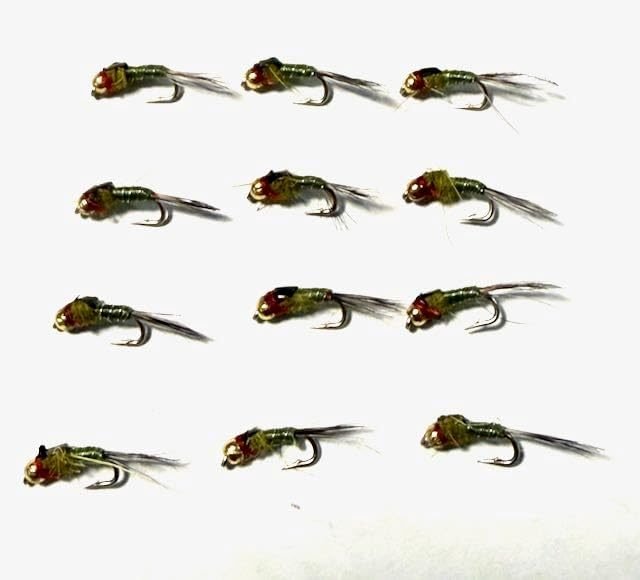
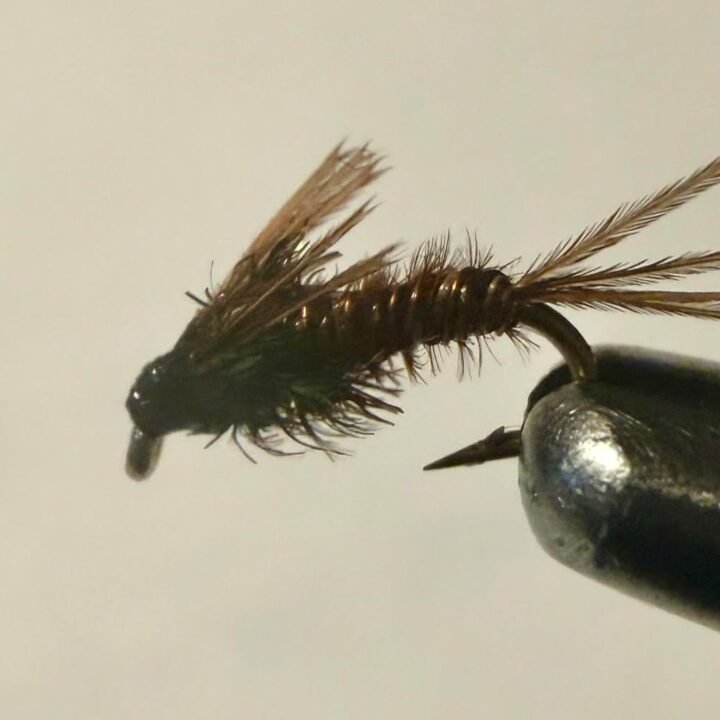
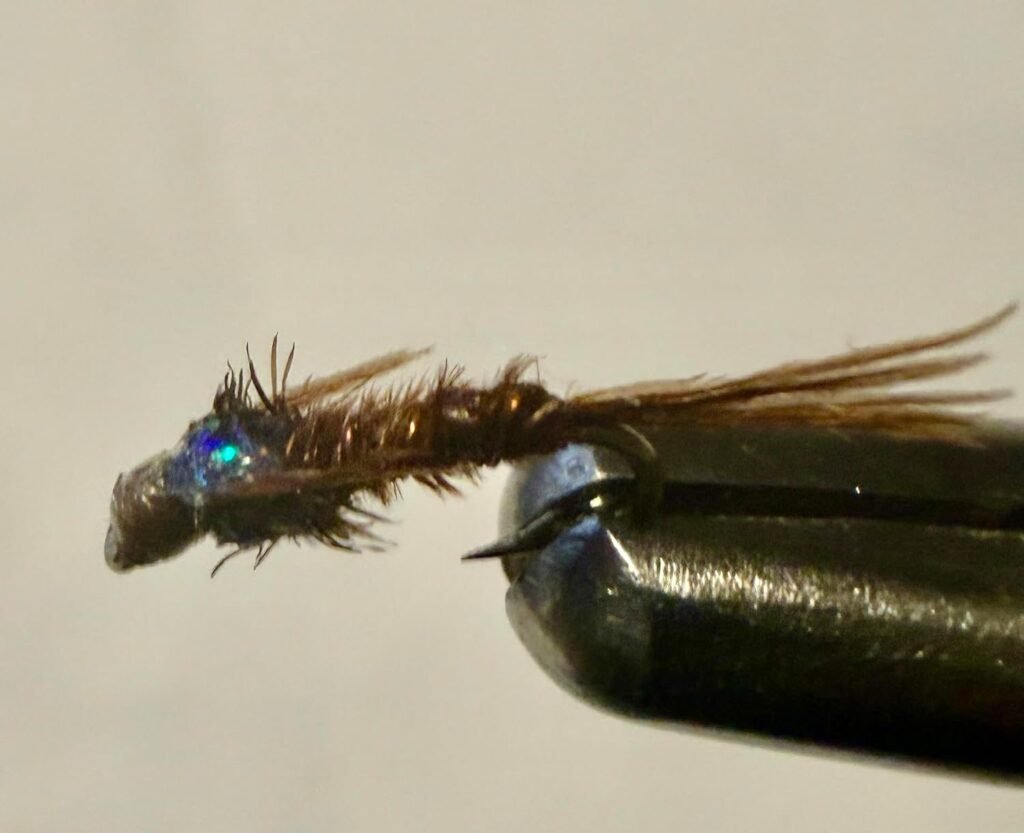
The Pheasant Tail with a mirrored wingcase — the same fly, easier for a trout to find.
Available at Amazon and Walmart
- Hook size
- 20
- Imitates
- Mayfly
- Best water
- Freestone River, Spring Creek, Tailwater
- Colour
- Brown
- Pack
- 12 flies
How to fish it
Fishing notes
Upper dropper above a heavier anchor. Fish it through the pre-hatch window and let the drift swing up at the end of the run — the rise imitates an emerging nymph and takes often come there.
The hour before a hatch is the window this fly is built for. Baetis nymphs become active and start moving up in the column well before the first dun appears, so the fish are already feeding on them while the surface looks dead. If you know the hatch is coming, fish this shallower than you normally would — a foot or two off the bottom rather than on it.
Let the drift finish. Where a run shallows out at the tail, stop mending and let the line come tight so the fly swings up through the column; that lift imitates a nymph making for the surface and draws takes that a dead drift will not. It is the most under-used part of a nymph drift and costs you nothing to add.
About this fly
The Pheasant Tail with a mirrored wingcase — the same fly, easier for a trout to find.
A Pheasant Tail nymph is already one of the most reliable imitations of a small mayfly nymph. The flashback version adds a strip of mylar over the wingcase, which imitates the gas bubble under the shuck of a nymph about to emerge and, incidentally, makes the fly far easier for a fish to pick out in moving water.
It is the version to fish in faster or slightly stained water, and during the hour before a mayfly hatch when nymphs are active and rising in the column.
The mylar is doing two jobs and they are worth separating. Under the surface it reads as the gas building beneath the shuck of a nymph about to emerge, which is a genuine trigger. Above that, it simply makes the fly easier to find in moving water. In slow clear water the first job matters and the second is a liability, which is why the plain Pheasant Tail is still worth carrying alongside it.
Key features
- Mylar wingcase imitates the gas bubble of an emerging mayfly nymph
- Easier for trout to locate than a plain Pheasant Tail in fast or stained water
- Size 20 matches baetis and small mayfly nymphs on tailwaters
- At its best in the hour before a mayfly hatch, when nymphs get active
- Natural pheasant fibre body keeps the silhouette honest
Further reading
- Fishing the Blue-Winged Olive Hatch 5 min read
More patterns
Fish these alongside it