Nymph
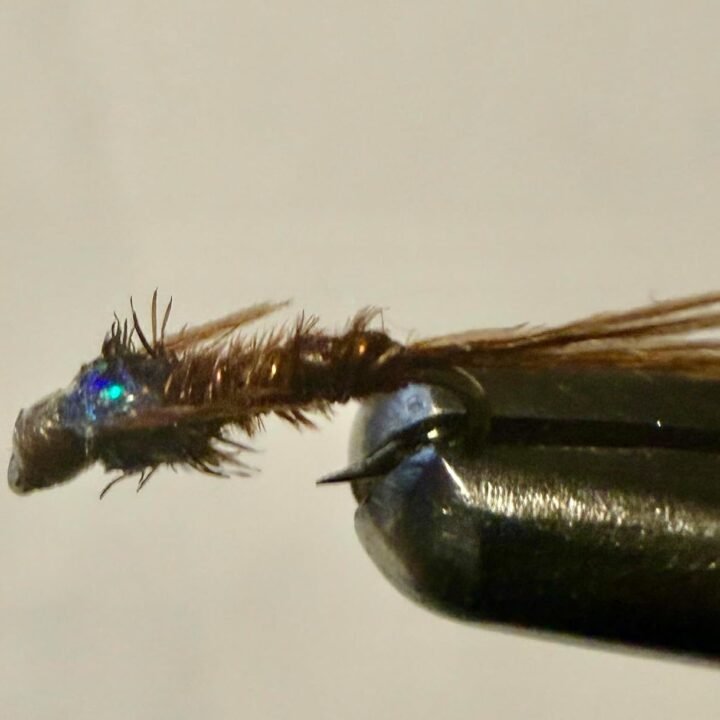
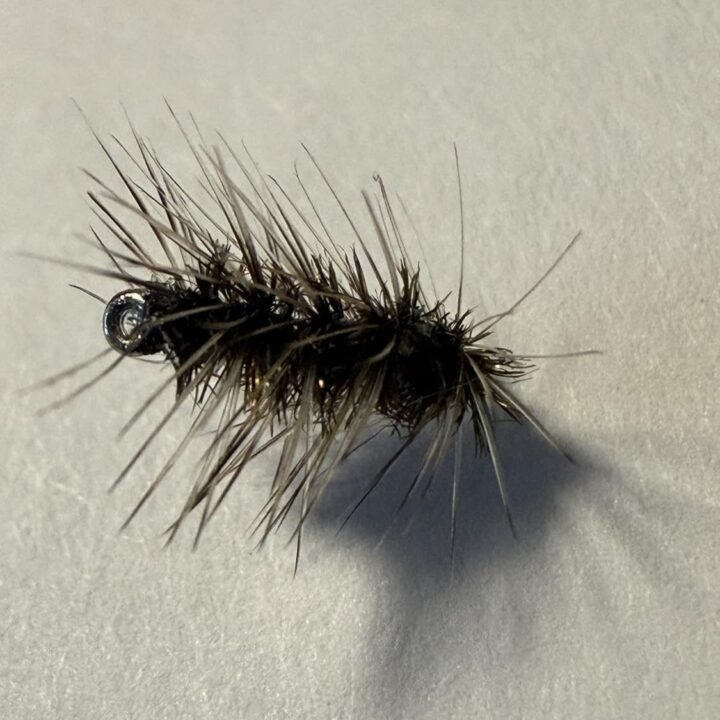
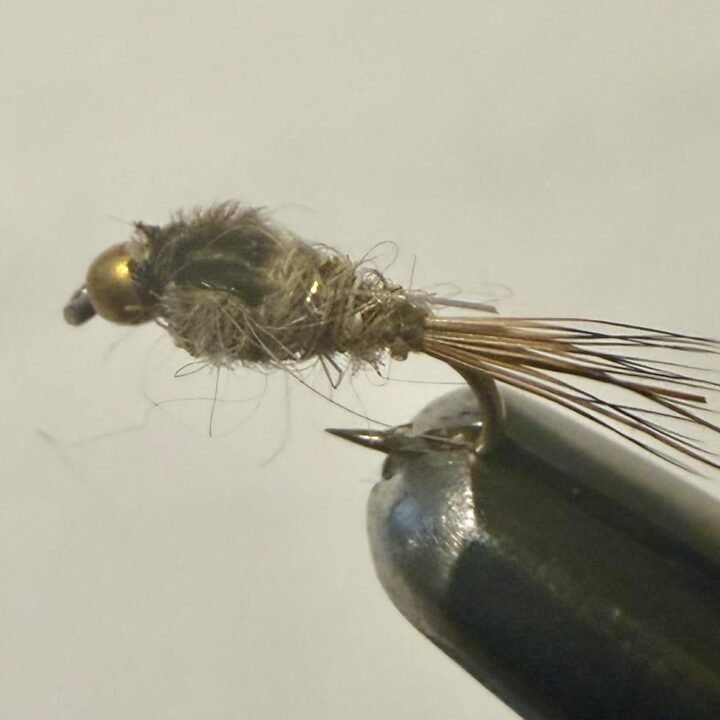
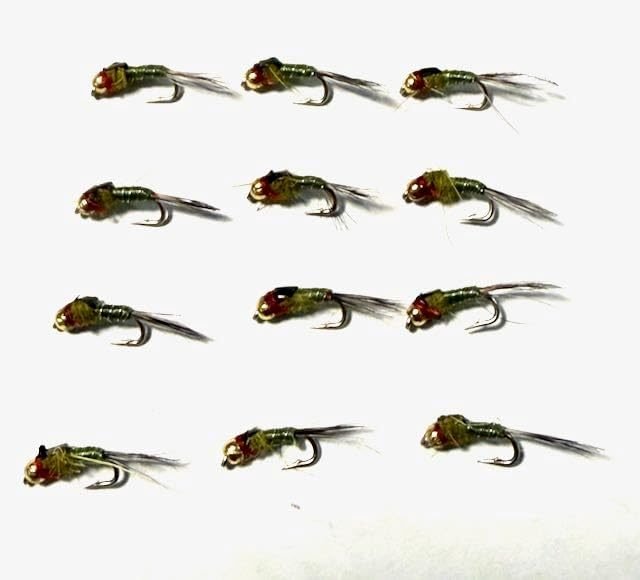
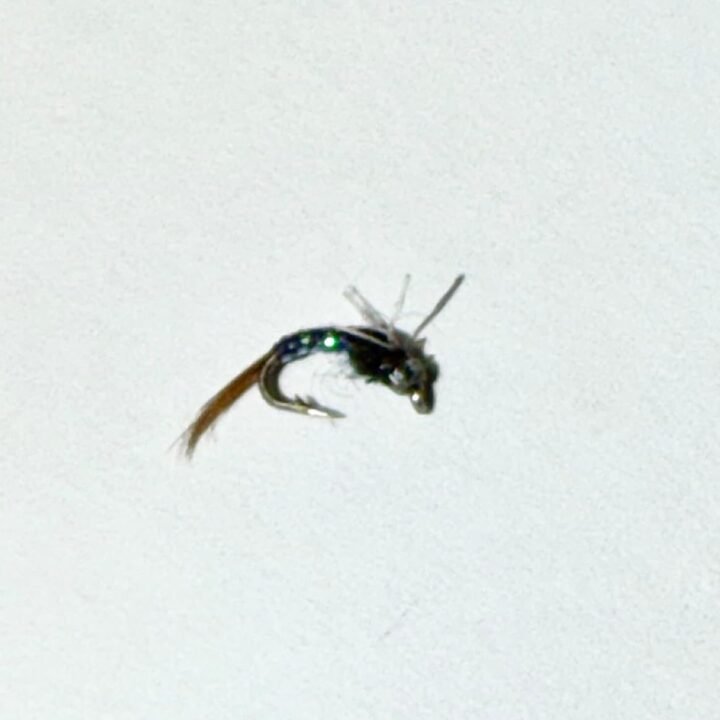
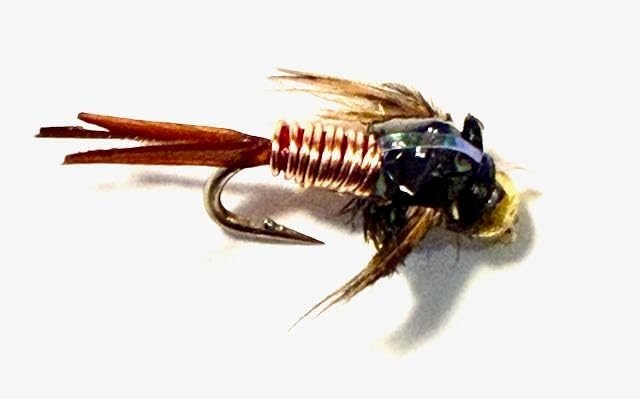
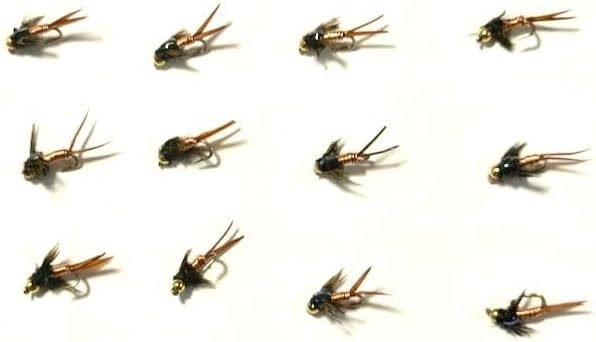
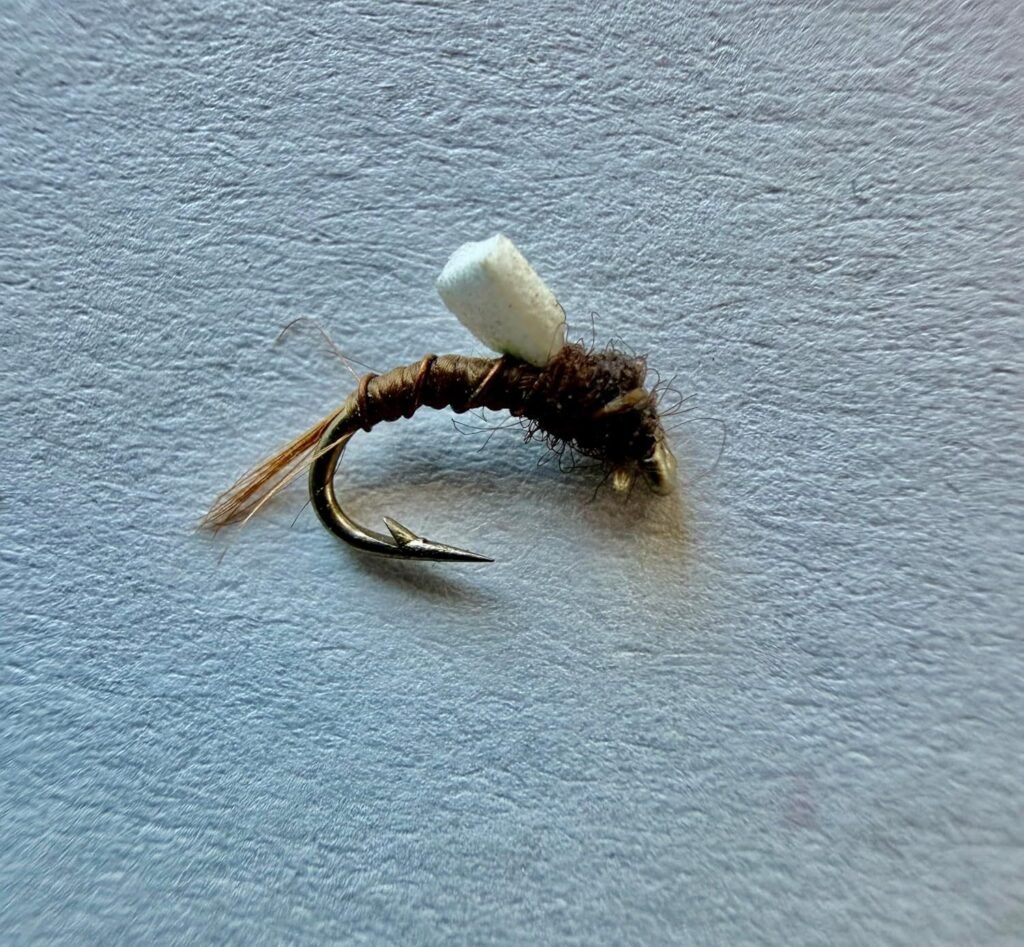
A dark baetis nymph with just enough flash to get noticed in off-colour tailwater.
Available at Amazon and Walmart
How to fish it
Run it as the point fly on a two-nymph rig, weighted to reach the bottom third of the column. Best on the inside of seams and along drop-off edges where baetis nymphs get swept up.
Fish it on the inside of the seam rather than the middle. Baetis nymphs are poor swimmers and get pushed to the slower edge of a current tongue, so the productive drift is usually the foot of water where fast meets slow, not the fast water itself. Getting the fly to hold that line for the length of a run is more useful than adding weight to it.
When it goes quiet in low clear water, drop the tippet to 6X before you change the fly — a size 20 nymph on 5X hangs unnaturally in the drift and pressured fish notice. If that does not do it, the fish have probably moved onto midges, and the switch to make is to a Zebra Midge on the same dropper rather than to another mayfly nymph.
A dark baetis nymph with just enough flash to get noticed in off-colour tailwater.
Chocolate Thunder is a tailwater baetis pattern built around a simple idea: keep the natural’s slim, dark silhouette but add a small amount of flash so the fly still registers when visibility drops after a release or a rain event.
It fishes through the whole baetis calendar — autumn and spring — and holds up as a searching nymph in between. In clear low water it is often the better choice than a brighter attractor, because it is still a bug first.
The restraint is the design. Most tailwater baetis patterns solve the visibility problem with a hot spot or a bright bead, which works right up until the water clears and the fish start refusing anything loud. This one keeps the flash inside the body where it glints as the fly turns rather than announcing itself, so the same fly covers a release and the clear water three days later.
More patterns