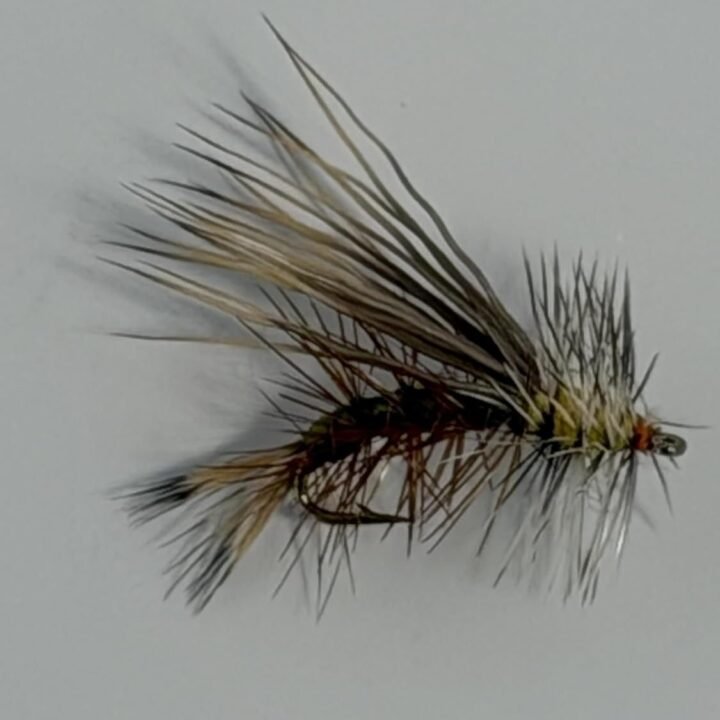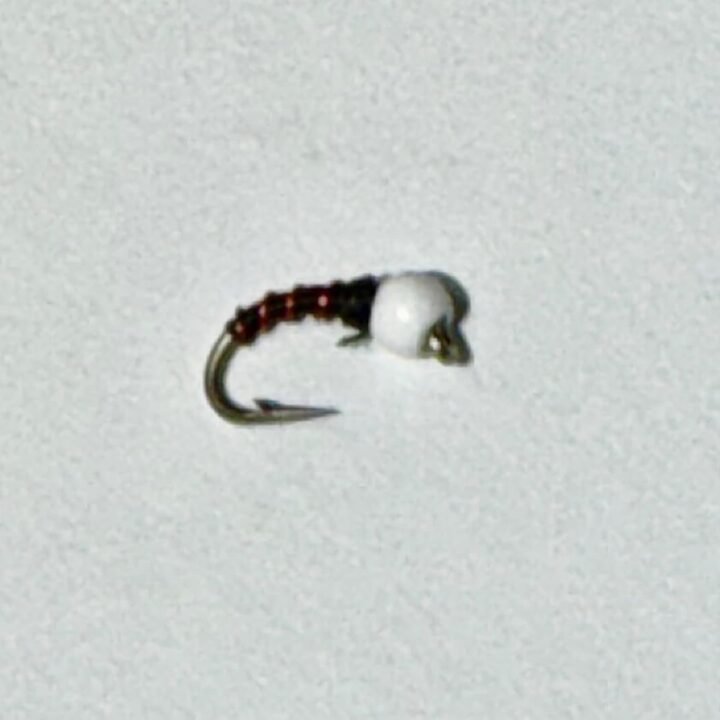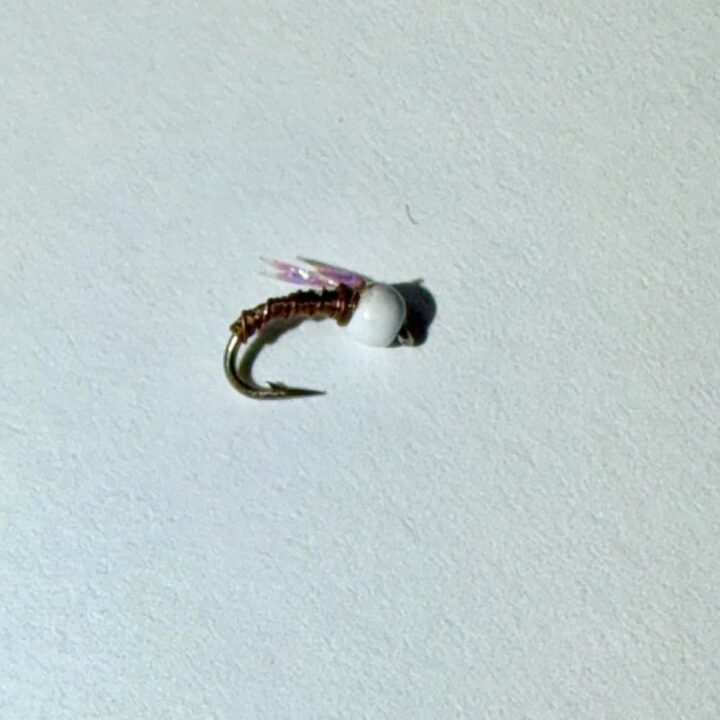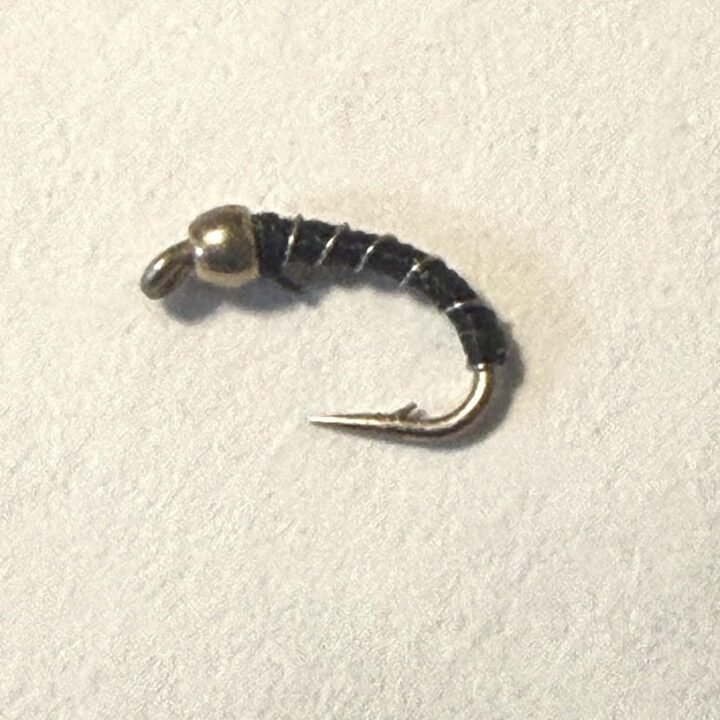


Nymph
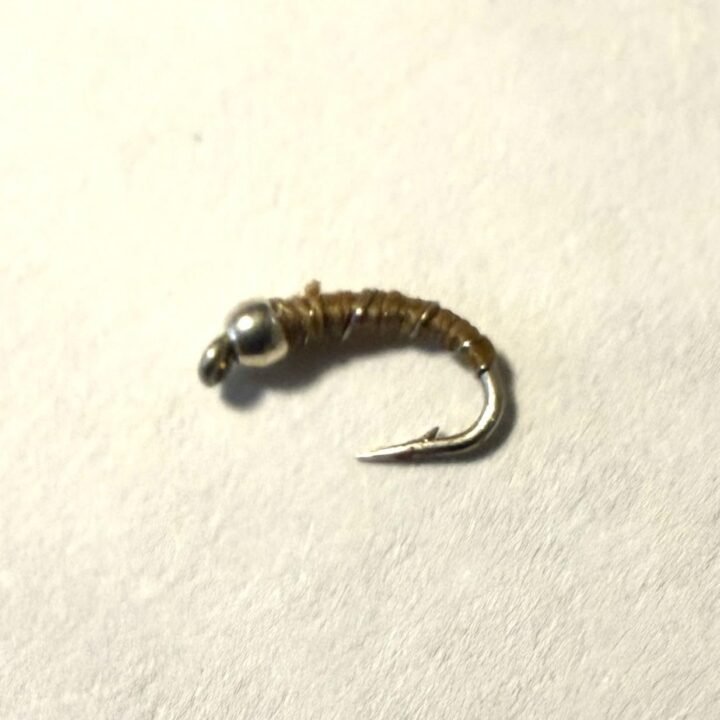
Freshwater shrimp — the staple food of tailwater trout, and the reason they grow so fast.
Available at Amazon and Walmart
Choose a colour Size 16 · Gray · 12 pack
How to fish it
Fish it deep and slow along weed beds and drop-off edges. A small twitch imitates the scud’s darting swim and often draws the take. Orange is worth a swap after a flow change, when dead scuds wash out of the weed.
Fish the weed edges rather than the open channel. Scuds live in the vegetation and get swept out along the seam where the weed bed ends, so the productive drift runs parallel to that edge rather than across it. In a stillwater, the same logic applies to a drop-off — cover the line where the shallow shelf falls away.
The orange version is a specific tool. A dead or gravid scud turns orange, and trout key on that colour hard enough that it can transform a session — particularly in the hours after a flow change, when dead scuds wash out of the weed in numbers. If grey has been ignored through good water, swapping to orange is the first thing to try.
Freshwater shrimp — the staple food of tailwater trout, and the reason they grow so fast.
Scuds are amphipods, they breed year-round in weedy tailwaters and spring creeks, and they are the single largest component of the diet of trout in that water. A tailwater rainbow that is heavy in the shoulders got that way eating scuds.
Grey is the living natural, orange is a dead or gravid scud (which trout target specifically), and silver adds flash for stained or deep water. Size 16.
Scuds explain why tailwater rainbows are shaped the way they are. There is no hatch and no season — amphipods breed in the weed year-round and are available every hour of every day — so a trout in a weedy tailwater can eat steadily without ever coming near the surface. A fish that is fat across the back in February got that way on these.
More patterns