

Dry Fly
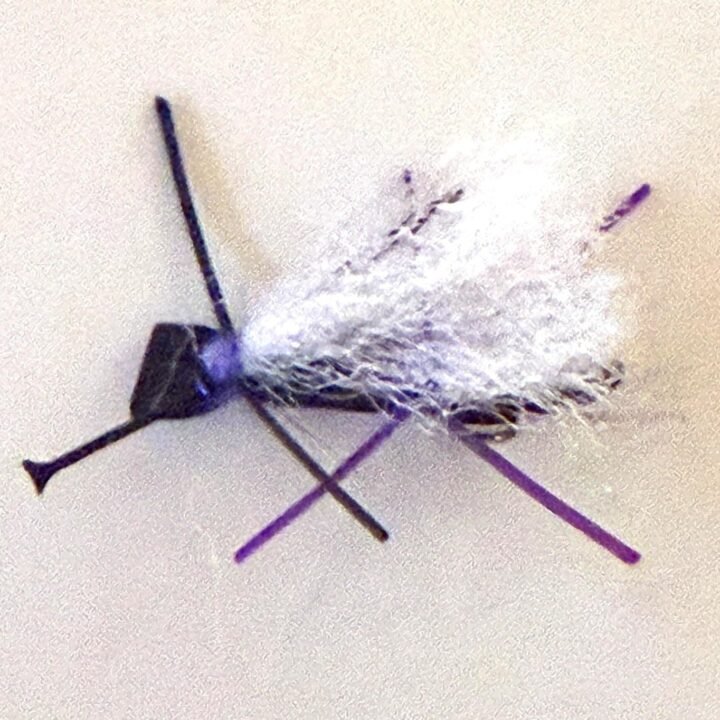
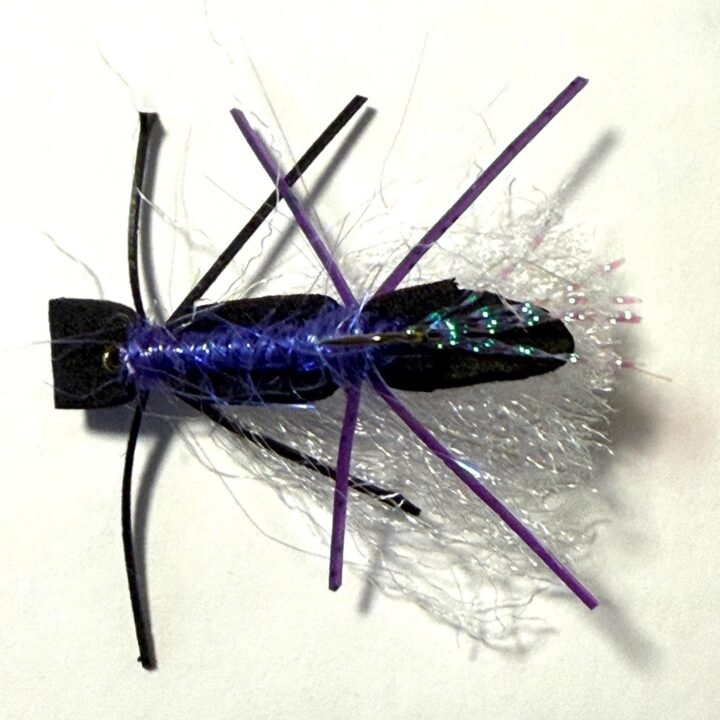
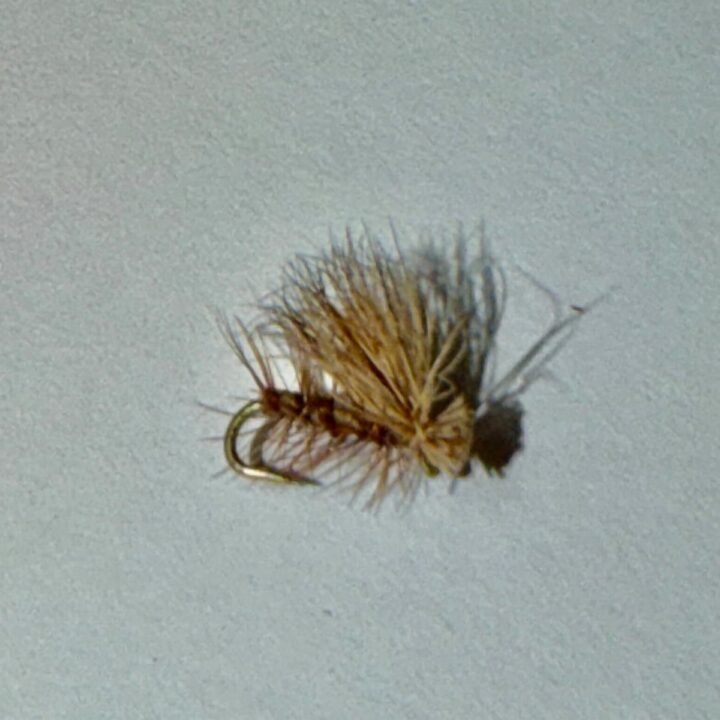
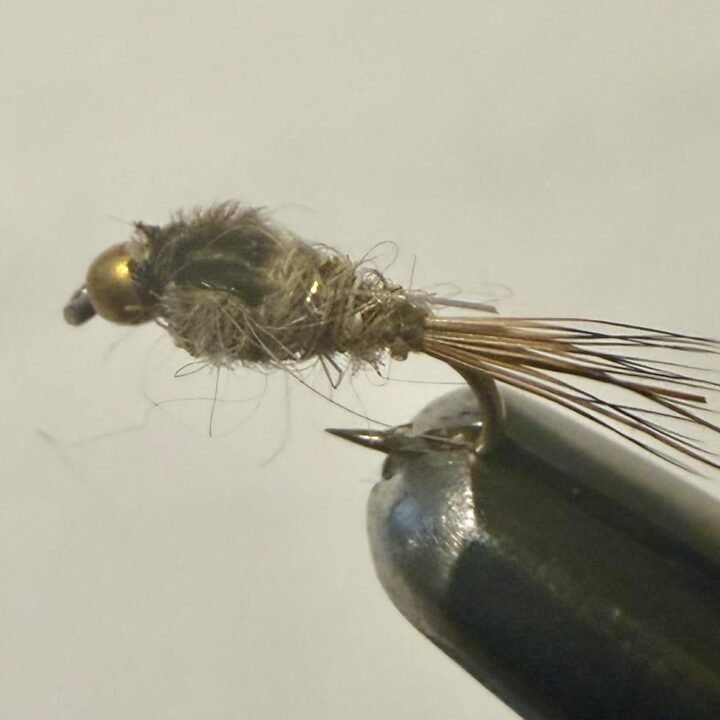
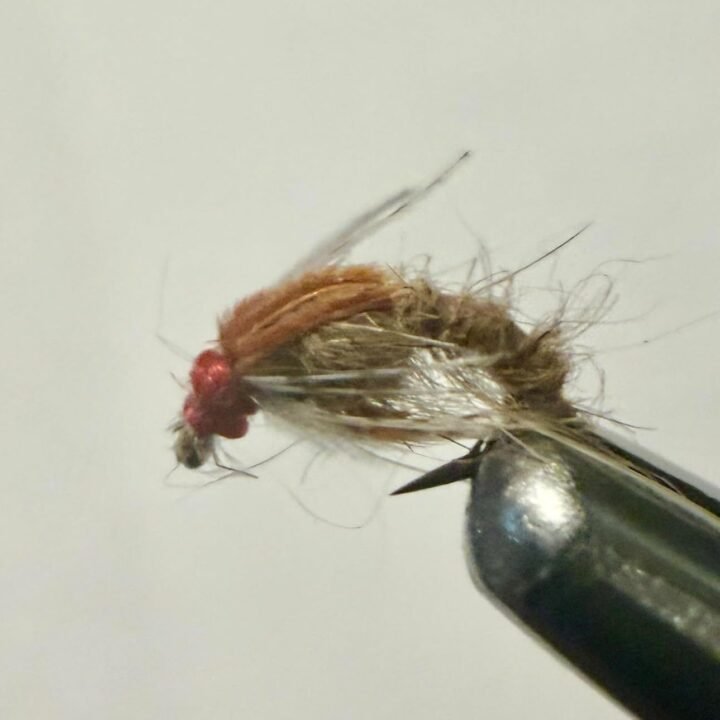
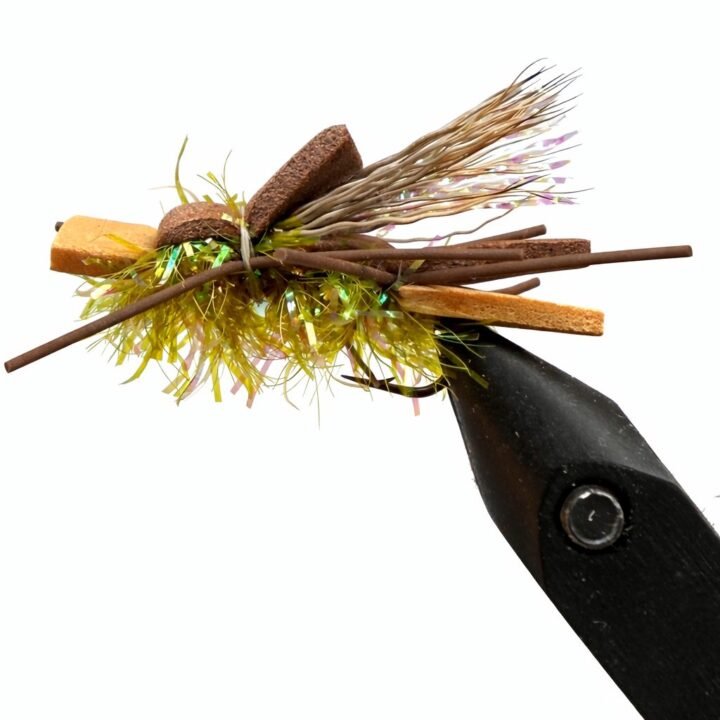
Randall Kaufmann’s searching dry — a stonefly, a caddis, and a dry-dropper anchor in one fly.
Available at Amazon and Walmart
How to fish it
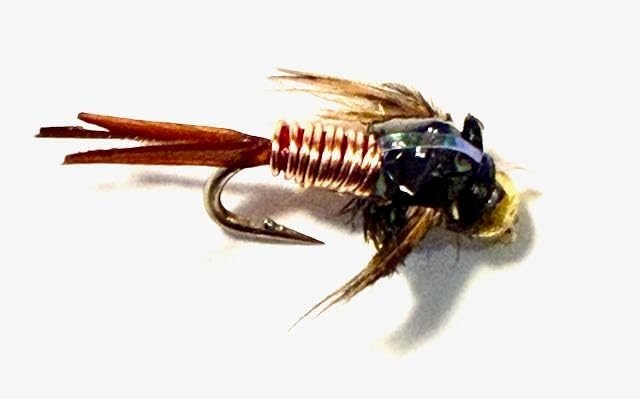
Search pocket water, riffles and seams. It can be twitched like a caddis or drifted dead like a stonefly — try both on the same run. Hang a bead head nymph 24 inches off the bend.
It is the dry-dropper anchor for water where foam is too much fly. On a pressured tailwater or a low clear freestone in late summer, a Chubby Chernobyl gets looked at and left, while this floats well enough to carry a bead head and still reads as an insect. Two feet of tippet off the bend and a small nymph is the whole rig.
Try it both ways on the same run. Dead drift is the default, but a caddis skitters, and drawing the fly an inch at the end of the drift changes it from a stonefly into a caddis without changing anything on the leader. If the dead drift has produced nothing through a riffle, the twitch is the second question worth asking.
Randall Kaufmann’s searching dry — a stonefly, a caddis, and a dry-dropper anchor in one fly.
The Stimulator floats high on a double-palmered hackle and an elk hair wing, which makes it one of the few traditional dries that survives a full day in pocket water. Its profile splits the difference between an adult stonefly and a large caddis, so it works during both hatches and neither.
Olive in size 16 is the versatile version — muted enough for pressured fish, large enough to carry a dropper.
It sits between two flies and that is its usefulness. Bigger and it becomes a salmonfly imitation, useful for two weeks a year; smaller and it is just a caddis. In size 16 olive it is neither exactly, which means it covers a stonefly hatch, a caddis hatch and a day with nothing at all on the water — and it does the last of those better than most flies tied specifically for it.
More patterns